
How to Choose a Stump Grinder for Your Property: Expert Guidance and Practical Tips
By Broomfield Stump Grinding, Broomfield Stump Grinding
Selecting the right stump grinder for your property can significantly impact the efficiency and effectiveness of your landscaping efforts. With various types of stump grinders available, understanding their differences and applications is crucial for making an informed decision. This article will guide you through the essential factors to consider when choosing a stump grinder, including the types available, key features, safety tips, and whether to rent or purchase. By the end, you will have a comprehensive understanding of how to choose a stump grinder that best suits your needs.
What Are the Different Types of Stump Grinders Available?
Stump grinders come in various types, each designed for specific applications and property sizes. Understanding these types can help you select the most suitable option for your needs.
How Do Commercial, Mini, and Handheld Stump Grinders Differ?
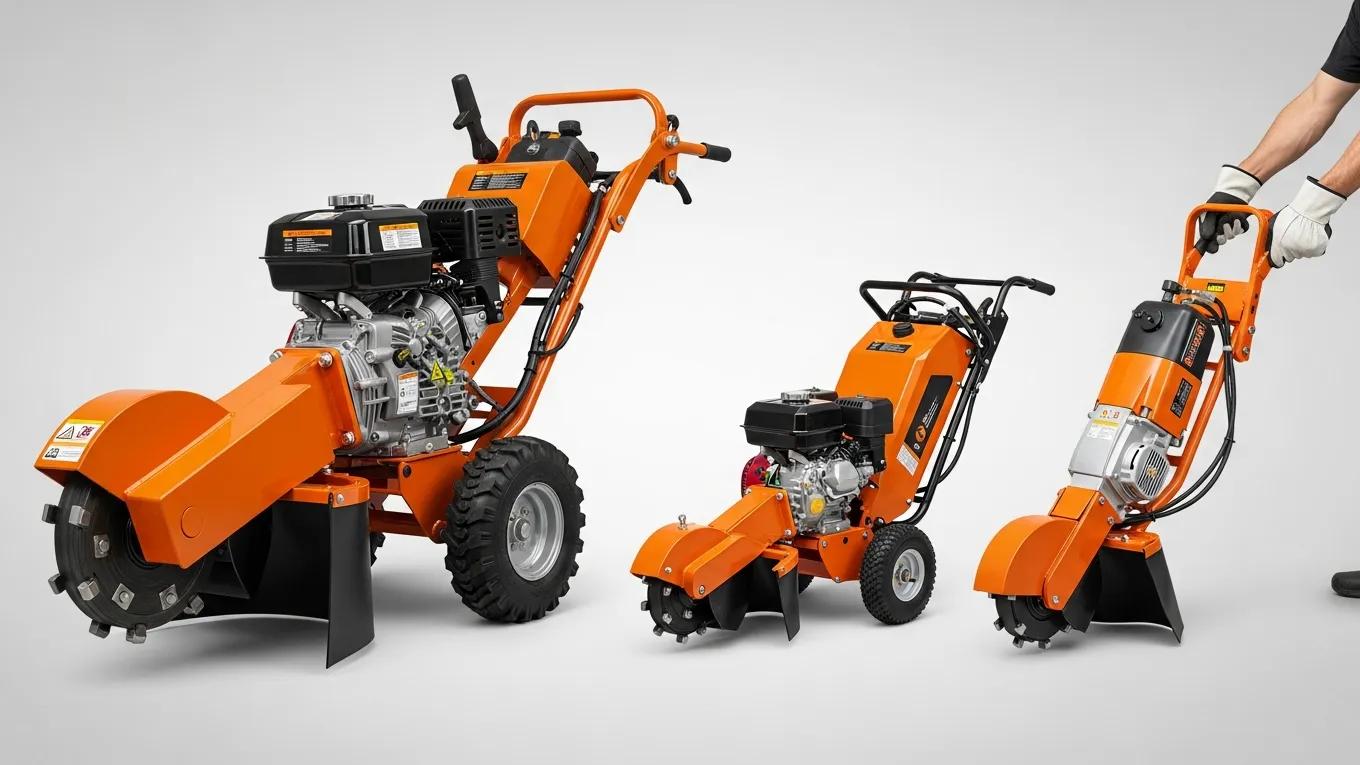
Commercial stump grinders are heavy-duty machines designed for large-scale operations, capable of grinding down substantial tree stumps quickly and efficiently. They often feature powerful engines and larger cutting blades, making them ideal for professional landscapers. Mini stump grinders, on the other hand, are more compact and suitable for residential use, allowing homeowners to tackle smaller stumps without the need for professional assistance. Handheld stump grinders are the most portable option, designed for quick jobs and easy maneuverability, but they may not be as powerful as their commercial counterparts.
Which Stump Grinder Type Is Best Suited for Your Property Size?
When selecting a stump grinder, consider the size of your property and the stumps you need to remove. For larger properties with multiple stumps, a commercial stump grinder may be the best choice due to its efficiency and power. Conversely, if you have a small yard with only a few stumps, a mini or handheld grinder may suffice, providing a more cost-effective solution without sacrificing performance.
How to Select the Right Stump Grinder Based on Features and Usage
Choosing the right stump grinder involves evaluating its features and how they align with your specific needs. Key considerations include the power source, cutting capacity, and safety features.
What Commercial Stump Grinder Features Should You Consider?
When looking at commercial stump grinders, focus on features such as engine power, cutting depth, and blade size. A powerful engine will ensure that the grinder can handle tougher stumps, while a larger cutting blade can reduce the time spent grinding. Additionally, consider safety features like emergency shut-off switches and protective guards to ensure safe operation.
How Do Power Source and Cutting Capacity Affect Grinder Performance?
The power source of a stump grinder—whether gas or electric—can significantly influence its performance. Gas-powered grinders typically offer more power and mobility, making them suitable for larger jobs. In contrast, electric grinders are quieter and more environmentally friendly, but they may have limitations in cutting capacity. Understanding these differences will help you choose a grinder that meets your performance expectations.
Further research delves into the specific mechanics and efficiency of different grinder types and their power sources.
Choosing Stump Grinders: Horizontal Types, Tool & Power
However, some manufacturers are now offering new versatile horizontal grinders that can be grinders to compare the specific effect of tool type (hammer or knife) on productivity, power
Performance and energy efficiency of alternative comminution principles: Chipping versus grinding, R Spinelli, 2012
What Are Essential Safety Tips for Operating a Stump Grinder?

Operating a stump grinder requires adherence to safety protocols to prevent accidents and injuries. Here are some essential safety tips to keep in mind:
- Wear Protective Gear: Always wear safety goggles, gloves, and ear protection when operating a stump grinder.
- Inspect the Equipment: Before use, check the grinder for any damage or wear, ensuring all safety features are functional.
- Follow Operating Instructions: Familiarize yourself with the manufacturer’s instructions and safety guidelines to ensure proper operation.
These safety measures are crucial for protecting yourself and others while using a stump grinder.
Emphasizing the critical nature of these precautions, incidents highlight the severe consequences of neglecting proper safety protocols during stump grinder operation.
Stump Grinder Safety: Essential Operator Precautions
operation of stump grinders. Previously, they were provided with brief general instructions about stump grinder operation safety precautions for operators to note before using a stump
A Laborer Dies When He is Pulled into a Tree Stump Grinder, 2019
Should You Rent or Purchase a Stump Grinder? Understanding Costs and Options
Deciding whether to rent or purchase a stump grinder depends on your specific needs and budget. Each option has its advantages and disadvantages.
What Is the Typical Stump Grinder Rental Cost in Broomfield, CO?
In Broomfield, CO, the typical rental cost for a stump grinder ranges from $150 to $300 per day, depending on the machine’s size and capabilities. Renting can be a cost-effective solution for those who only need a grinder for a short period or for a single project.
When Is Buying a Stump Grinder More Beneficial Than Renting?
Purchasing a stump grinder may be more beneficial if you frequently need to grind stumps or have a large property with multiple stumps to remove. Owning a grinder allows for immediate access and can save money in the long run compared to repeated rental costs. Additionally, having your own equipment ensures you can choose a model that best fits your specific needs.
A detailed cost analysis can further illuminate the financial implications of renting versus owning construction equipment like stump grinders.
Stump Grinder: Rent vs. Buy Cost Analysis
by its life, renting cost of equipment analysis needed to determine the productivity of given construction equipment. 3) Find out owning & operating cost and compare with the renting
Decision Making for Purchase/
Rental of Road Construction Equipment Based on Productivity and Owning & Operating Cost, S Patel, 2019

0 Comments