Effective Post-Stump-Grinding Landscaping and Restoration
By Bea Grinde, Broomfield Stump Grinding
Stump grinding often leaves visible disturbance to the landscape. Homeowners must restore soil structure, repair turf, and re-establish a uniform appearance. This article summarises reliable post-stump-grinding techniques for lawn repair, soil restoration, and aesthetic enhancement. It covers filling the void left by stump removal, practices to promote plant establishment, and methods for managing residual roots.
Post-Stump-Grinding Lawn Repair & Landscaping Guide for Broomfield, CO
Landscape restoration after stump grinding requires a clear sequence of tasks. Key actions include filling the void, grading the surface, and seeding or sodding to encourage consistent regrowth.
- Filling the Hole: Begin by filling the hole with a mixture of topsoil and compost to provide nutrients for new grass or plants.
- Leveling the Ground: Use a rake to level the ground, ensuring it is even and ready for planting.
- Seeding or Sodding: Choose grass seed types or sod that match your existing lawn to create a uniform appearance.
Completing these steps establishes the conditions necessary for healthy turf recovery and long-term landscape stability.
How to Repair Your Lawn After Stump Grinding?
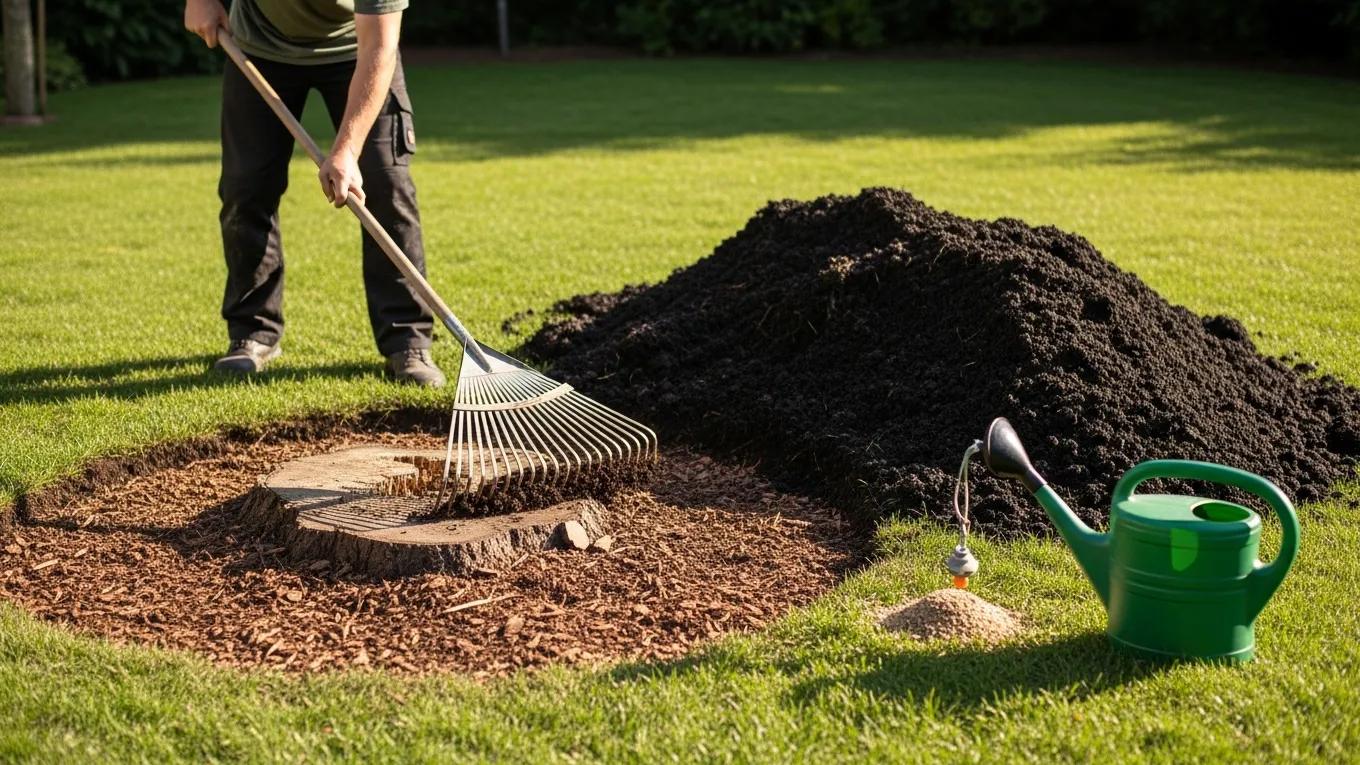
Successful lawn repair follows a systematic process. Each step addresses soil quality, surface grade, and moisture management to support reliable regrowth.
- Fill the Hole with Topsoil and Compost: Start by filling the hole left by the stump with a mixture of topsoil and compost. This combination provides essential nutrients for new grass.
- Level the Ground with a Rake: Once the hole is filled, use a rake to level the area so it is smooth and even. Proper grading prevents water pooling and promotes uniform growth.
- Watering and Mulching the Area: After leveling, water the area thoroughly and apply a layer of mulch to retain moisture and suppress weeds while plants establish.
Adhering to this sequence improves seed germination or sod establishment and reduces the risk of erosion or uneven growth.
What Are the Best Soil Restoration Techniques After Stump Grinding?
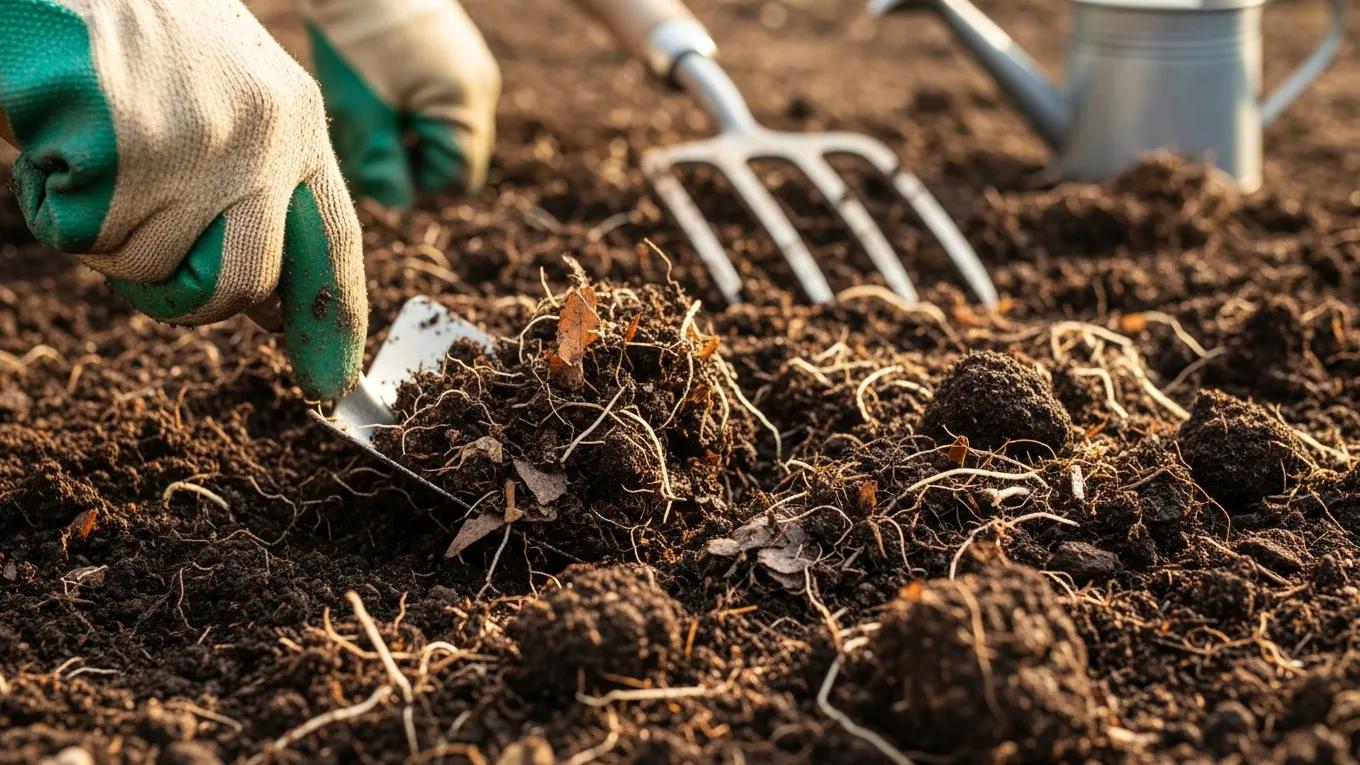
Soil restoration is essential after stump removal because the process can alter soil structure and nutrient distribution. Effective restoration focuses on replenishing organic matter, improving aeration, and preventing erosion to support new plant roots.
- Soil Amendments: Incorporate organic matter such as compost or well-rotted manure to improve soil health and fertility.
- Aeration Techniques: Aerate the soil to enhance air circulation and water infiltration, promoting root growth for new plants.
- Erosion Control Methods: Implement erosion control measures, such as planting cover crops or using erosion blankets, to protect the soil from runoff and degradation.
Applying these practices restores soil function and creates a stable foundation for subsequent planting or turf establishment.
The table summarises common amendments, their primary benefits, and typical application methods for soil restoration.
What Landscaping Options Are Recommended After Stump Removal?
Following stump removal, several landscaping options can restore visual appeal and function. Choices should align with site conditions and long-term maintenance objectives.
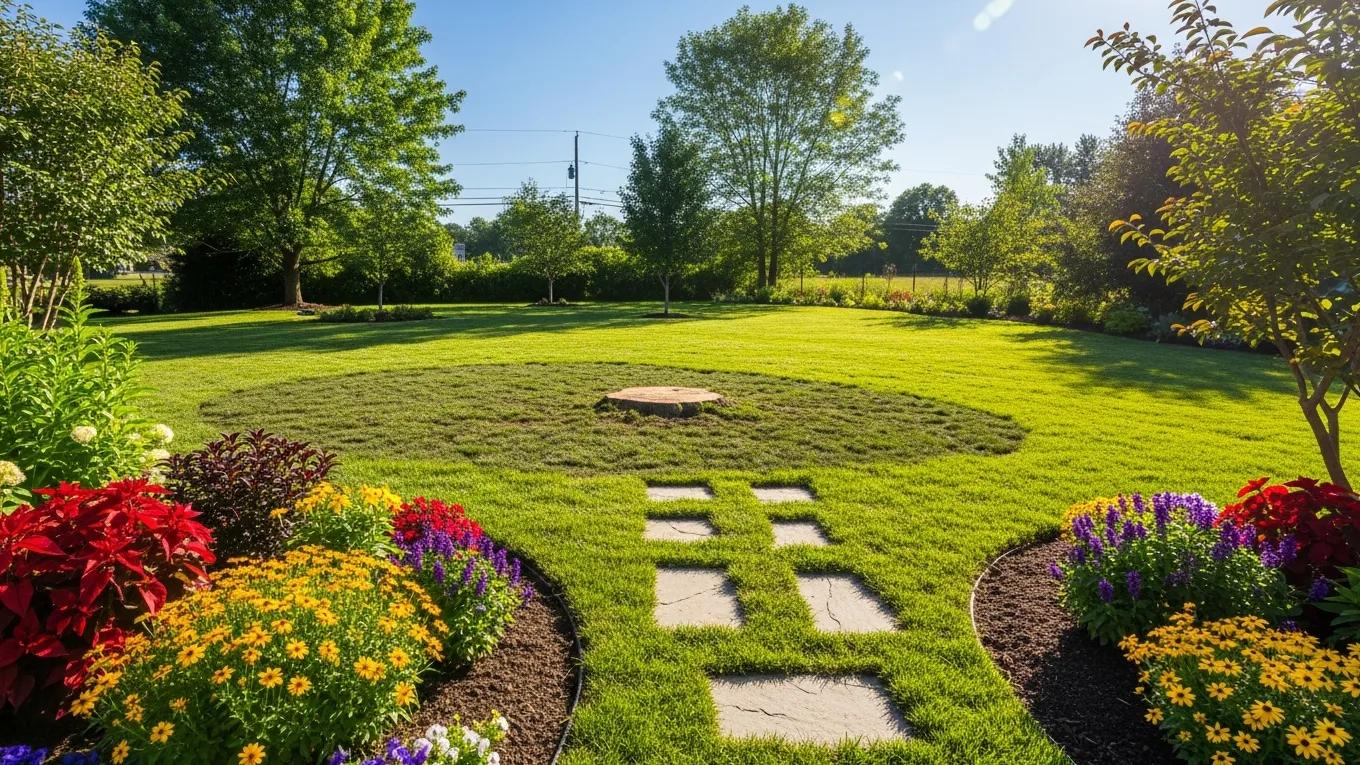
- Mulching and Planting Options: Use mulch to cover the area to help retain moisture and suppress weeds. Plant flowers or shrubs to add color and texture.
- Hardscaping Features: Incorporate hardscape elements such as pathways, patios, or decorative stones to create visual interest and define the space.
- Complementary Landscaping Ideas: Add features like raised garden beds or ornamental grasses that can thrive in the newly restored area.
Selecting appropriate mulch, plantings, or hardscape elements improves aesthetics and supports soil and turf health over time.
How Is Tree Root Removal Managed in Landscaping After Stump Grinding?
Proper management of residual roots is important to prevent future issues and to prepare the site for new planting. Techniques focus on removing impediments and maintaining soil health.
- Best Practices for Root Management: Remove visible roots that could interfere with new plant growth. This may involve digging around the area to extract larger roots.
- Preventing Root Decay and Disease: Monitor the area for signs of root decay, which can attract pests and disease. Good drainage and soil management reduce these risks.
- Impact on Lawn and Soil Health: Understand how root removal affects surrounding soil and lawn health; healthy soil practices will support new growth and prevent future problems.
Applying these root management practices reduces interference with new plantings and supports a healthy, resilient landscape.
Frequently Asked Questions
What is the best time to start landscaping after stump grinding?
The best time to begin landscaping is during the active growing season, typically spring or early fall. Soil temperatures and moisture at these times favour seed germination and plant establishment. In regions with mild winters, certain plantings in early fall may also establish well.
How long does it take for grass to grow back after stump grinding?
Grass emergence depends on species, soil quality, and weather. With proper soil preparation and quality seed or sod, new grass often appears within 7 to 14 days. Full establishment can require several weeks to a few months, depending on the variety and care provided.
Can I plant trees in the area where the stump was removed?
Planting trees is possible after stump removal provided remaining roots are addressed. Remove or reduce obstructive roots, amend the soil with organic matter to improve fertility and drainage, and select species suited to local conditions. Allow appropriate spacing and provide attentive care during establishment.
What types of grass are best for seeding after stump grinding?
Choose grass varieties adapted to your climate and soil. Cool-season options such as Kentucky bluegrass or tall fescue suit northern areas; warm-season types like Bermuda or zoysia suit southern regions. Consider blends for disease resistance and drought tolerance, and match the existing lawn for a uniform appearance.
How can I prevent weeds from growing in the restored area?
Preventive measures include applying mulch over seeded or sodded areas, monitoring and removing emerging weeds promptly, and using a pre-emergent herbicide where appropriate. Maintaining healthy turf through proper watering and fertilisation also helps grass outcompete weeds.
Is it necessary to use mulch after planting grass or flowers?
Mulch is highly beneficial because it conserves moisture, suppresses weeds, and moderates soil temperature. Organic mulches also improve soil quality as they decompose. If mulch is not used, increase watering frequency and inspect regularly for weeds to support successful establishment.

0 Comments