
Stump Grinding vs Full Removal: Understanding Costs, Benefits, and Methods for Informed Decisions
By Broomfield Stump Grinding, Broomfield Stump Grinding
When it comes to managing tree stumps, homeowners often face a critical decision: whether to opt for stump grinding or full removal. Each method has its unique advantages and drawbacks, making it essential to understand the implications of both. This article will delve into the costs, benefits, and methods associated with stump grinding and full removal, providing a comprehensive overview to help you make an informed choice. Many homeowners struggle with the aftermath of tree removal, often left with unsightly stumps that can hinder landscaping efforts. Stump grinding offers a practical solution, while full removal may be necessary in certain situations. We will explore the processes involved, the costs associated with each method, and the environmental considerations that come into play.
Stump Grinding vs. Full Removal: Costs, Benefits, and Methods
Stump grinding and full removal are two primary methods for dealing with tree stumps. Stump grinding involves using specialized equipment to grind the stump down to below ground level, leaving the surrounding soil intact. This method is less invasive and typically quicker than full removal. In contrast, full removal entails excavating the entire stump and root system, which can be more labor-intensive and time-consuming. Understanding the costs associated with each method is crucial for homeowners looking to make the best decision for their property.
Overview of Methods:
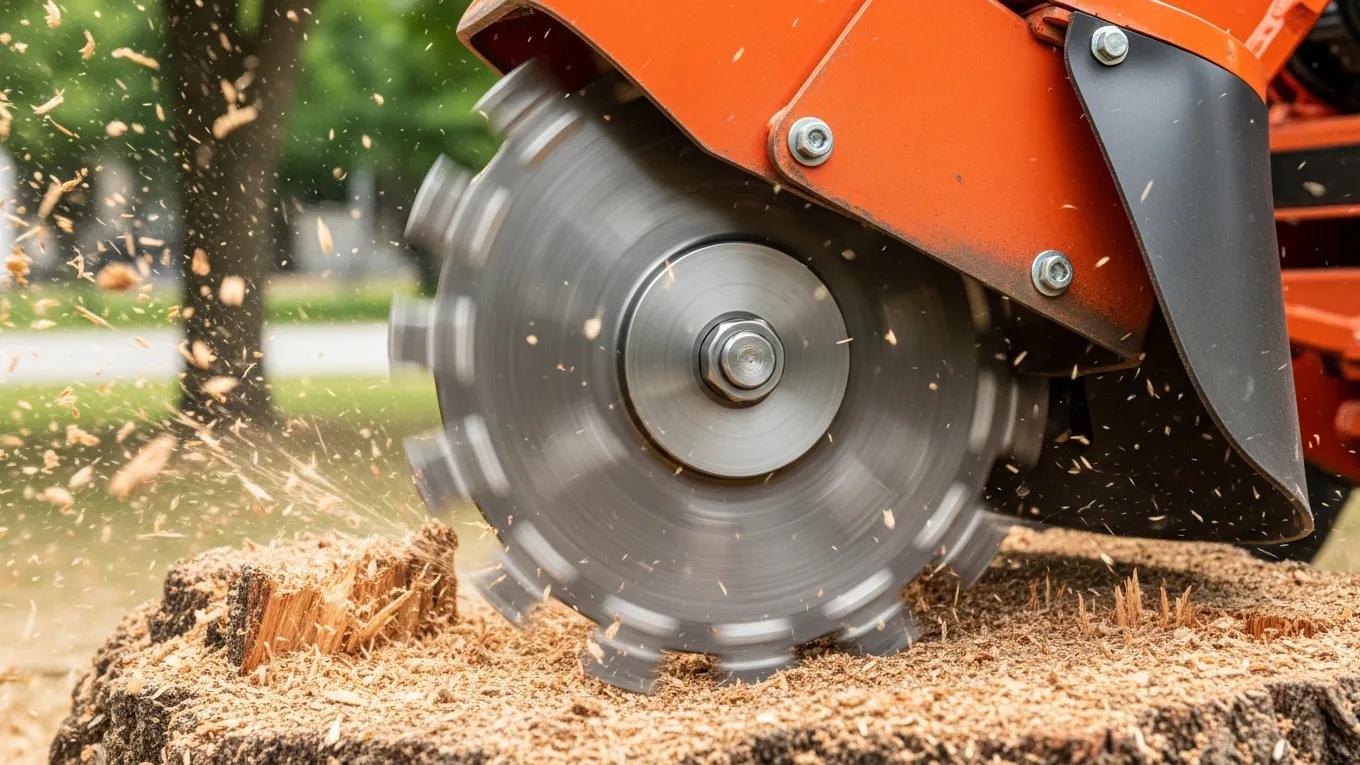
Stump grinding is a process that utilizes a stump grinder, a machine equipped with a rotating blade that chips away at the stump. This method is efficient and minimizes soil disturbance, making it a popular choice for many homeowners. On the other hand, full removal requires digging out the entire stump and roots, often using heavy machinery. This method can lead to significant soil disruption and may require replanting or landscaping afterward. The choice between these methods often depends on the specific circumstances of the stump and the homeowner’s long-term landscaping goals.
Costs:
The costs associated with stump grinding and full removal can vary significantly based on several factors, including the size of the stump and the complexity of the job.
For homeowners in Broomfield, Colorado, Broomfield Stump Grinding offers professional stump grinding services, emphasizing quality workmanship and customer satisfaction. Their expertise in stump grinding techniques ensures a timely and efficient service, making it a viable alternative to full stump removal.
Key Differences:
The key differences between stump grinding and full removal lie in their invasiveness and the impact on the surrounding area. Stump grinding is less invasive, causing minimal disruption to the soil and surrounding plants. In contrast, full removal can lead to significant soil disturbance, which may require additional landscaping efforts afterward. Additionally, stump grinding is generally quicker and more cost-effective, making it a preferred choice for many homeowners.
Pros and Cons:
Both stump grinding and full removal come with their own set of advantages and disadvantages.
Pros of Stump Grinding:
- Cost-Effective: Generally cheaper than full removal.
- Less Invasive: Minimal disruption to the surrounding area.
- Quick Process: Typically completed in a few hours.
Cons of Stump Grinding:
- Roots Remain: Some roots may still be present, which can affect future planting.
- Potential for Regrowth: Stumps may sprout new growth if roots are not adequately addressed.
Pros of Full Removal:
- Complete Elimination: Entire stump and roots are removed, preventing regrowth.
- Better for Landscaping: Allows for more flexibility in future landscaping projects.
Cons of Full Removal:
- Higher Cost: More expensive due to the labor and equipment required.
- Soil Disruption: Can lead to significant disturbance in the surrounding area.
Environmental Considerations:
When considering stump grinding versus full removal, environmental factors play a crucial role. Stump grinding is often viewed as the more environmentally friendly option, as it leaves the soil structure intact and minimizes the impact on surrounding vegetation. Additionally, the wood chips produced during grinding can be repurposed as mulch, contributing to soil health. Full removal, while effective in eliminating the stump, can lead to soil erosion and disruption of local ecosystems.
What Are the Key Differences Between Stump Grinding and Full Removal?
The primary differences between stump grinding and full removal revolve around the methods used and their impact on the landscape. Stump grinding is less invasive and quicker, making it suitable for homeowners looking for a fast solution. Full removal, while more thorough, can be disruptive and costly. Understanding these differences is essential for making an informed decision based on your specific needs and landscaping goals.
How Does Stump Grinding Work and What Equipment Is Used?
Stump grinding works by using a specialized machine called a stump grinder, which features a rotating blade that grinds the stump into small wood chips. The process begins with the operator positioning the grinder over the stump and lowering the blade to grind it down. This method is efficient and can typically reduce the stump to below ground level within a few hours. The equipment used is designed to minimize soil disturbance, making it a preferred choice for many homeowners.
What Does Full Stump Removal Involve and When Is It Necessary?
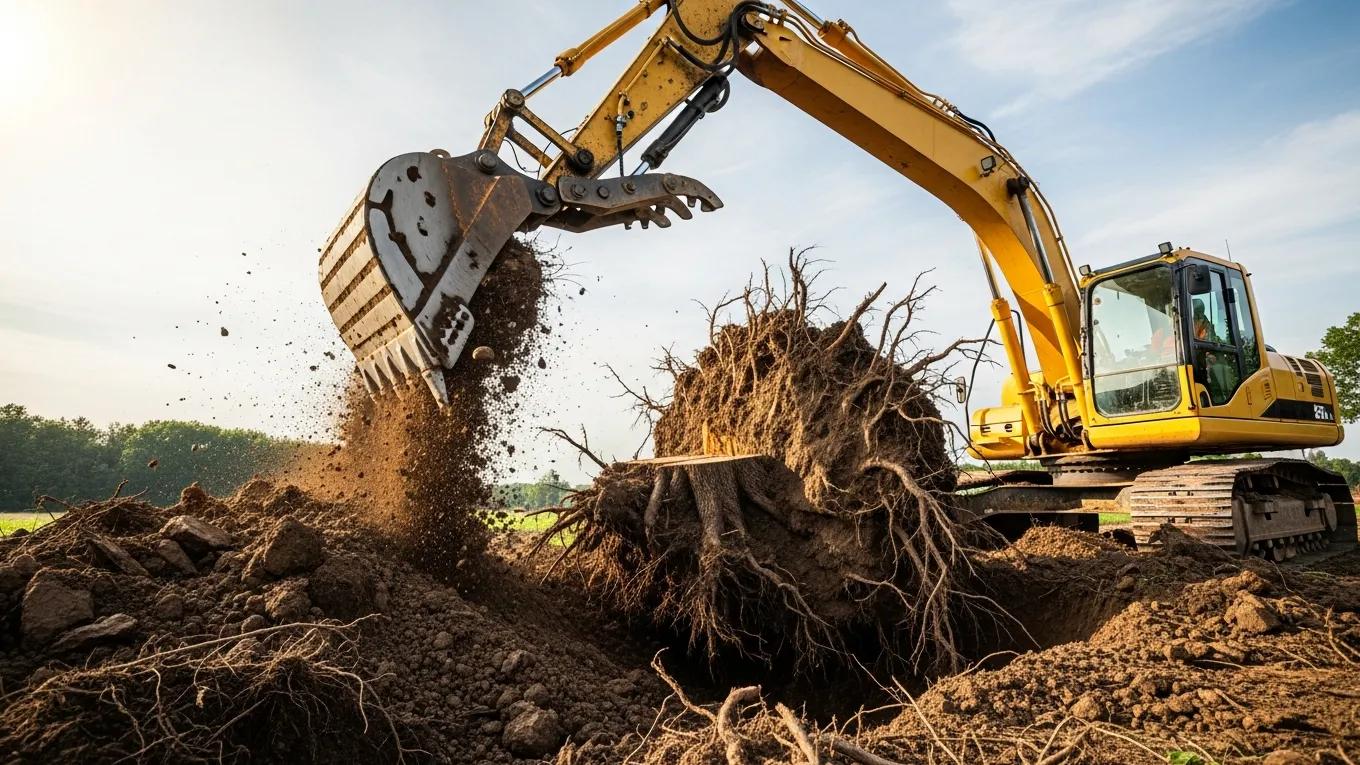
Full stump removal involves excavating the entire stump and root system, often requiring heavy machinery. This method is necessary when the stump poses a significant obstacle to landscaping or when complete removal is desired to prevent regrowth. The process can take longer than stump grinding and may require additional landscaping efforts afterward to restore the area.
What Are the Pros and Cons of Stump Grinding Compared to Full Removal?
When comparing stump grinding to full removal, it’s essential to weigh the pros and cons of each method. Stump grinding is generally more cost-effective and less invasive, making it suitable for many homeowners. However, it may not be the best choice if complete removal is necessary. Full removal, while more thorough, can be more expensive and disruptive to the landscape.
What Are the Environmental and Safety Benefits of Stump Grinding?
Stump grinding offers several environmental and safety benefits. By leaving the soil structure intact, it minimizes the risk of erosion and maintains the health of surrounding vegetation. Additionally, the wood chips produced during the grinding process can be used as mulch, contributing to soil health. From a safety perspective, removing stumps reduces tripping hazards and improves the overall appearance of the landscape.
What Are the Limitations and Risks Associated with Full Stump Removal?
Full stump removal comes with its own set of limitations and risks. The process can be labor-intensive and costly, often requiring heavy machinery that may disrupt the surrounding area. Additionally, the excavation can lead to soil erosion and may necessitate further landscaping efforts to restore the area. Homeowners should carefully consider these factors before opting for full removal.
How Do Costs Compare Between Stump Grinding and Full Removal Services?
When comparing costs, stump grinding typically ranges from $100 to $400, while full removal can cost between $250 and $800. The final price for either service will depend on factors such as the size of the stump, the complexity of the job, and the specific service provider. Homeowners in Broomfield can benefit from the expertise of Broomfield Stump Grinding, which offers competitive pricing and quality service.
What Factors Influence Stump Removal Cost in Broomfield CO?
Several factors influence the cost of stump removal in Broomfield, Colorado. These include the size and type of the stump, the accessibility of the site, and the specific methods used by the service provider. Additionally, local market conditions and the experience of the service provider can also impact pricing. Homeowners should obtain multiple quotes to ensure they receive the best value for their stump removal needs.
How Does Stump Grinding Offer Cost-Effective Solutions?
Stump grinding is often viewed as a cost-effective solution for homeowners looking to manage tree stumps. The process is generally quicker and less labor-intensive than full removal, resulting in lower overall costs. Additionally, the minimal disruption to the surrounding area means that homeowners can often continue with their landscaping plans without significant delays.
What to Do With the Area After Stump Grinding or Removal?
After stump grinding or removal, homeowners have several options for managing the area. For stump grinding, the wood chips can be left in place as mulch or removed for disposal. If full removal was performed, replanting or landscaping may be necessary to restore the area. Homeowners should consider their long-term landscaping goals when deciding how to proceed after stump management.
Can You Plant a Tree After Stump Grinding or Removal?
Yes, homeowners can plant a tree after stump grinding or removal, but timing and soil preparation are essential. After stump grinding, it’s advisable to wait a few weeks to allow the soil to settle before planting. In the case of full removal, ensuring that the soil is adequately prepared and free of debris will promote healthy growth for new plants.
What Landscaping Opportunities Follow Each Method?
Both stump grinding and full removal open up various landscaping opportunities. Stump grinding allows for the immediate use of the area for planting or other landscaping projects, while full removal provides a blank slate for more extensive landscaping changes. Homeowners should consider their overall landscaping vision when deciding which method to choose.
0 Comments